The Heart Behind SERAG: Turning Passion into Action for the Great Brak Estuary
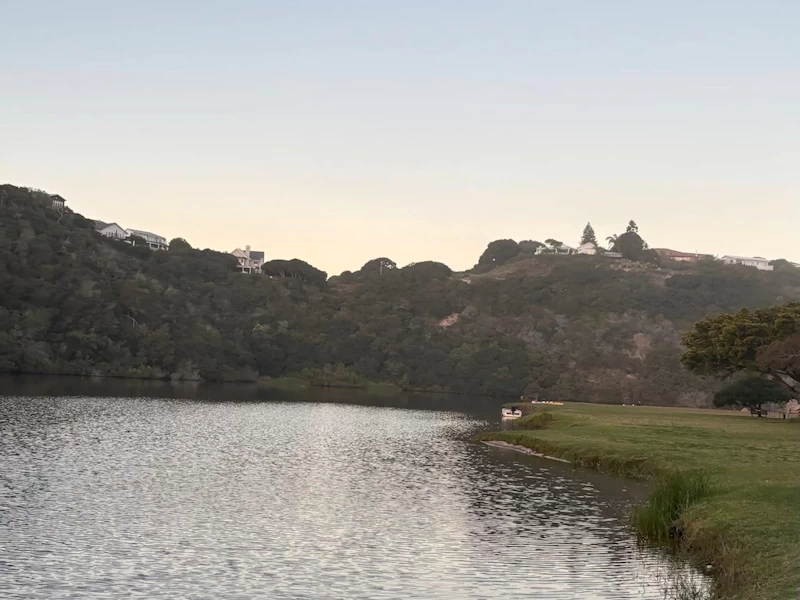
Behind every meaningful environmental movement are people who care deeply. People who see not just what is, but what it could be. At the South African Estuary Rehabilitation Action Group (SERAG), that vision has been driving real, on-the-ground change for the Great Brak Estuary since 2020.
From Frustration to Action
SERAG was born out of concern and, quite frankly, frustration. Back in 2020, the ecological state of the Great Brak Estuary had declined significantly. Despite extensive research and awareness, there was little tangible action being taken to restore the system. A lack of accountability and urgency from responsible public sector bodies left a critical gap. SERAG stepped in to fill that gap.
SERAG is not just another environmental “think tank.” The “A” stands for Action, a deliberate and defining choice which is exactly what they are doing. The team is focused on implementing real rehabilitation solutions, not just talking about them. Their hope is that the work being done at Great Brak can serve as a model for estuary restoration across the Western Cape and beyond.
Why Estuaries Matter - Now More Than Ever
Estuaries are some of the most valuable and sensitive ecosystems on Earth, yet across South Africa, many are under threat. Water systems are increasingly impacted by upstream damming, expanding urban environments, and agricultural use.
The Great Brak Estuary is affected by all three.
While there is no shortage of academic research on these systems, very little of it has translated into meaningful ecological recovery. SERAG is working to change that by bridging the gap between knowledge and action. Creating a Living, Breathing System.
For those who have spent time at Great Brak, the estuary holds countless memories. But what stands out most is the stark difference between when the estuary is open to the sea versus when it is closed.
When open for extended periods, weeks or even months - the estuary comes alive. It becomes a thriving, dynamic ecosystem, supported not just by observation but by hard data from SERAG’s AquaTroll monitoring system. This data consistently shows that the estuary is at its healthiest when it remains open.
Yet, a common misconception persists: that the estuary is equally healthy whether open or closed.
This simply isn’t true.
While historically classified as an “open-closed system,” this has been misinterpreted over time to justify keeping the mouth closed for extended periods. The data tells a different story - one that highlights the urgent need for updated management approaches.
Change Has Been Slow, but nothing is impossible.
Long-time visitors to the estuary have witnessed a gradual decline over the past two decades. Previously, the estuary mouth was artificially breached several times a year, maintaining a relatively healthy balance.
After 2016, when these interventions ceased, the ecosystem deteriorated rapidly.
Since its formation, SERAG has made meaningful improvements. However, progress is often hindered by slow-moving public sector processes and outdated management frameworks that do not reflect current ecological realities.
Despite this, the team continues to push forward- armed with data, determination, and a clear vision for what the estuary can be.
Looking Ahead: A Vision for Restoration
SERAG’s ultimate goal is ambitious: to restore the Great Brak Estuary as closely as possible to its pre-dam ecological state.
While a full return to its original condition may not be entirely achievable, there is strong confidence that, with ongoing effort, monitoring, and support, the system can be brought back to a far healthier and more sustainable state.
What Keeps the Momentum Going?
At its core, the motivation is simple: the Great Brak Estuary is a uniquely beautiful and ecologically significant place. It deserves care, protection, and investment.
And that’s exactly what SERAG has been providing - often at a significant personal cost. The founders themselves have invested millions of rands into the project, funding critical interventions and ongoing monitoring efforts.
How You Can Help
Every improvement, every intervention, and every piece of monitoring equipment comes at a cost.
If you’ve ever enjoyed the estuary whether as a resident, visitor, or local business you’ve benefited from the work being done.
Now, there’s an opportunity to give back.
By contributing to SERAG, you are directly supporting real environmental action and helping to secure the future of this vital ecosystem. Donations, no matter the size, make a meaningful difference. Joining the mailing list is another simple way to stay informed and involved.