An Estuary Can’t Speak for Itself
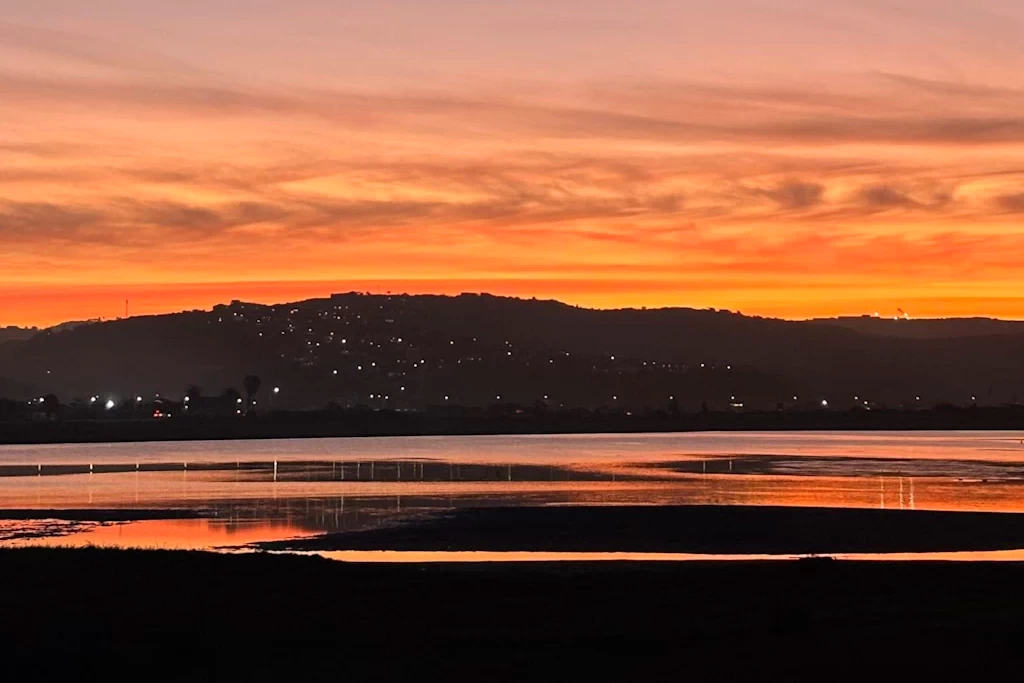
If you’ve ever stood at the Great Brak Estuary when it’s open, you’ll know the feeling. The water dances, the birds sing and everything just works. It’s calm, but at the same time - full of energy.
And then… when it’s closed for long periods, it’s different. Slower. Heavier. Not quite how it should be.
The tricky part is that estuaries can’t tell us when something’s wrong. There’s no obvious alarm bell. Change happens very slowly, over time, until one day the “new normal” isn’t healthy at all anymore.
That’s exactly what happened with our Great Brak Estuary.
Over the years, due to things like upstream dams, development, and changes in management, the estuary hasn’t been able to function the way it naturally would. And one of the biggest misunderstandings is this idea that it’s fine for the mouth to stay closed most of the time.
It’s not.
We now have the data to prove that the estuary is at its healthiest when it’s open for extended periods. It’s not just about how it looks, it’s about oxygen levels, salinity and biodiversity. All the things you don’t always see, but that matter the most.
This is where SERAG comes in.
What I really love about SERAG is that they’re not just talking about the problem, they’re actively working on solutions. Monitoring the estuary, gathering real data, pushing for better management, and actually trying to restore the system to what it once was.
And it’s not easy. But it matters.
Because places like the Great Brak Estuary aren’t just “nice spots” to visit, they're living ecosystems that support so much more than we realise.
So next time you’re there, take a second. Look at the water, notice whether it’s open or closed, and think about what’s happening beneath the surface.
And if you feel that little tug to do something - follow it.
Support, share, donate, stay informed because every little bit helps.